WHAT IS REDISTRICTINg?
What is Redistricting?
Redistricting is the process of redrawing the district lines that determine which part of a state elected officials represent.
Every 10 years, the United States conducts a national Census. This population data is used to determine how many seats each state is allocated in the U.S. House of Representatives, a process that is called apportionment. At the state level, the people in charge of redistricting use the population data to inform how districts are drawn in the state.
Following apportionment, states redraw their congressional, state legislative, and other district boundaries to ensure equal representation.
The redistricting process looks different in states across the country. In many states, like Texas and Florida, the state legislature draws and approves the maps before they are signed or vetoed by the Governor. In other states, maps are drawn or approved by independent or bipartisan commissions, like Colorado and Michigan. Some states even have hybrid systems where commissions propose maps, but legislatures have final approval.
Gerrymandering ≠ Redistricting
States have to redistrict, but they don’t have to gerrymander.
When redistricting is done fairly, it reflects our communities and gives every voter an equal voice. Fair redistricting is how we get a truly representative democracy.
Not everyone wants voters to have that power. Self-serving politicians see redistricting as an opportunity to manipulate district lines to entrench themselves and their party in power. That manipulation is called gerrymandering — a deliberate distortion of our democracy.
Gerrymandering allows politicians to tilt the maps in their favor and choose their voters, instead of giving voters the opportunity to choose their representatives. Republicans have used gerrymandering to unfairly hold onto power, turn our entire democracy inside out, and stack the deck against the American people.
At the National Democratic Redistricting Committee (NDRC), we are fighting back against these anti-democracy efforts, and fighting for a truly representative democracy that protects every voter’s right to be heard.
Redistricting Glossary
The act of redistricting to advantage or disadvantage a specific group.
Partisan Gerrymandering: Manipulating the boundaries of electoral districts in a way that gives one political party an advantage over the other.
Racial Gerrymandering: Manipulating the boundaries of electoral districts in a way that undermines the voting power of members of racial or ethnic minority groups.
How Gerrymandering Distorts Our Democracy
Gerrymandering distorts democracy by undermining one of its core principles — that voters should choose their representatives, not the other way around.
Gerrymandering dilutes voter power: By manipulating district lines, politicians can “pack” or “crack”communities to weaken the voting power of certain groups. This means some votes count less than others.
Gerrymandering reduces competition: Gerrymandered districts are often drawn to make elections “safe” for one party. That leads to fewer competitive races, which means incumbents rarely face real accountability from voters.
Gerrymandering skews representation: Even if one party wins fewer votes overall, gerrymandering can let them win a majority of seats. The result is a legislature that doesn’t reflect the will of the people.
Gerrymandering discourages participation: When people feel their votes don’t matter because districts are rigged, they’re less likely to turn out or engage in the political process.
Gerrymandering exacerbates polarization: Safe seats push candidates to be more concerned with a primary than the general election, which means they cater to the extremes of their party rather than to the political middle, making compromise and effective governance harder.
Unfair Maps, Unfair Outcomes
Unfair maps produce unfair results, giving politicians power they didn’t earn and silencing the voices of millions of voters.
1.4 Million
How many more votes Democrats received for the House of Representatives in 2012, but Republicans still took control of the House of Representatives, 234 to 201.
85%
The percentage of House districts labeled uncompetitive in the 2024 election, meaning that a vast majority of elections were all but decided before a single vote was cast.
19
The number of seats by which the NDRC helped reduce the Republican +23 advantage in how Congressional districts leaned in 2022.
A Brief History of Modern Redistricting
Post-2010 Census: Project REDMAP
Following the 2010 Census, Republicans executed Project REDMAP (Redistricting Majority Project) and kicked off their modern obsession with using gerrymandering to unfairly hold power. Their strategy was centered around gaining and holding power instate legislative chambers in swing states like Pennsylvania, Michigan, Wisconsin, Ohio, North Carolina, Florida.
During the 2010 midterms, as a result of this strategy, Republicans won 117 state legislative races across these states. It allowed them to lock in the power to not only redraw the state legislative maps in those states to their own benefit, but to redraw Congress in their favor as well.
It was the most egregious partisan gerrymandering in history, fueled by modern mapping software to maximize the amount of seats they could win while shutting voters out of the electoral process.
On the Republican-drawn maps, during the 2012 election, President Obama was re-elected with a majority of the vote and Democrats won 1.4 million more votes for the U.S. House than Republicans. But Republicans held onto the House, 234-201.
2017: Founding of NDRC
So in 2017 Attorney General Eric H. Holder Jr., with support from party leaders like President Barack Obama and Speaker Emerita Nancy Pelosi, founded the National Democratic Redistricting Committee (NDRC). The NDRC is the first-ever strategic hub for a comprehensive redistricting strategy. Our strategy has shifted the balance of power away from total Republican control of redistricting and empowered the public to get involved in the fight for fair maps.
2022: Fairest Map in 40 Years
In 2022, following the 2020 Census, reapportionment, and nation-wide redraws, The New York Times called the nation’s new congressional maps “the fairest in 40 years.” This didn’t happen by chance — it happened because the National Democratic Redistricting Committee (NDRC) took action.
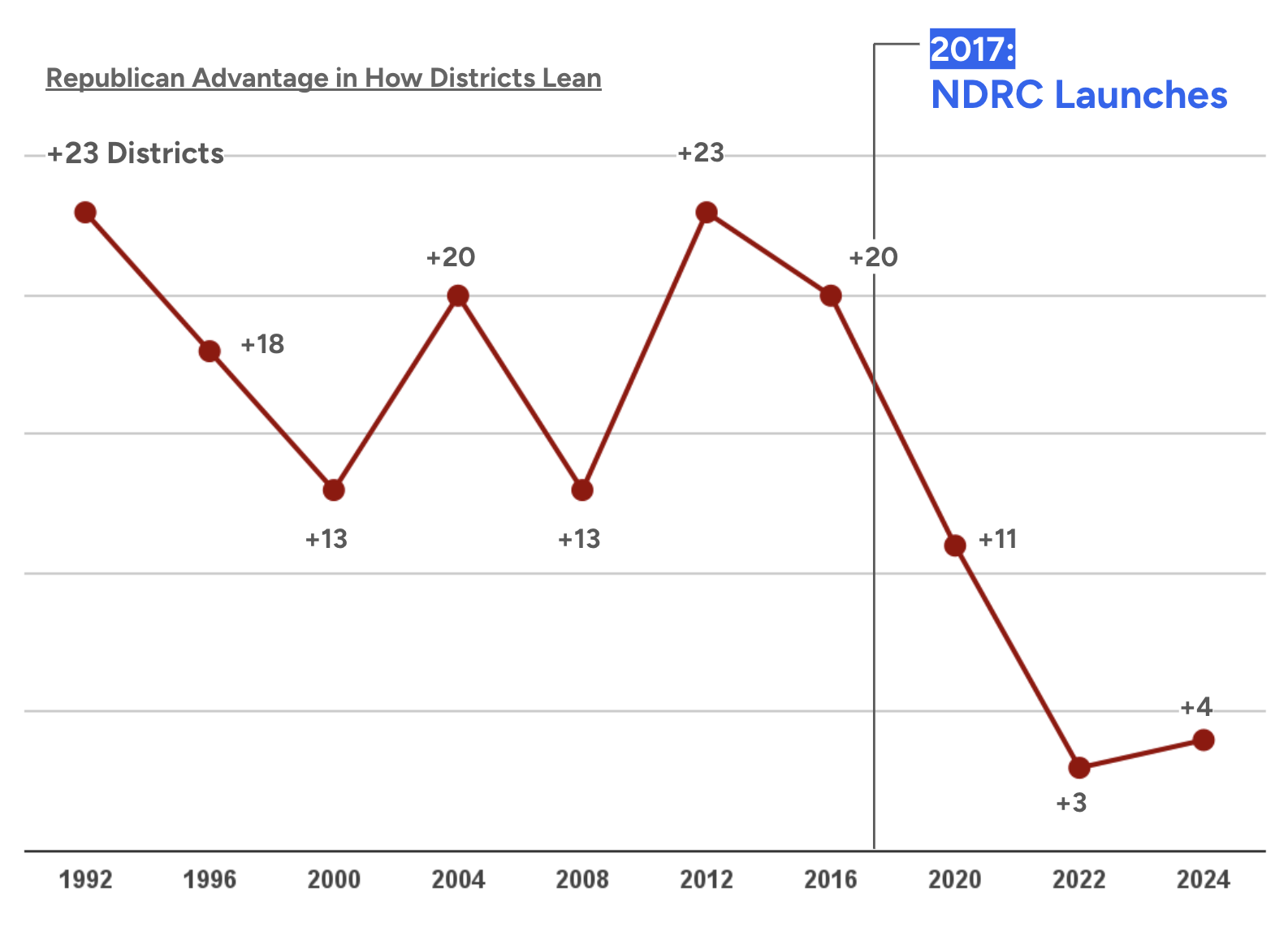
Our results speak for themselves: in contrast to the 2010 redistricting cycle, which gave Republicans a 47-seat structural advantage in the House, the 2020 redistricting cycle reflected a significant reduction in partisan bias, leaving House Republicans with only a 3-seat advantage.
Rather than accept the new reality of a congressional map that would be responsive to American voters, however, Republicans doubled down on their gerrymandering strategy.
2025: GOP’s Mid-Decade Gerrymandering Crisis
In June 2025, President Trump began urging Texas lawmakers to redraw an already gerrymandered congressional map. Trump fixated on Republicans gaining five additional seats, insisting they were “entitled” to them. Texas legislators caved to his demand, even after mass public opposition and a dramatic quorum break by Democratic lawmakers.
The move sparked a wave of copycat efforts across the country, as Republican-led states like Missouri and North Carolina drew their own mid-cycle gerrymanders to help Trump avoid political accountability. And even more states laid the groundwork to follow suit.
The NDRC has supported Democratic to push back against this effort, to ensure that the American people have a fair shot at electing a representative Congress during the 2026 midterms. Anti-democratic politicians must not be allowed to hold onto power indefinitely.
Our long-term goal remains fair and responsive maps, but the reality is that our democracy is under attack, and we have no choice but to defend it. Unlike in the immediate past, the next time we have the power to enact bold policies that reimagine and rebuild a democracy that is actually responsive to the people, we must do so by passing federal legislation that bans partisan gerrymandering, ensures fair and transparent redistricting processes, and protects communities of interest. Federal legislation is the best remedy to ensure that our nation never has to go through this mid-decade redistricting crisis again.
With our battle-tested strategy and experienced team, we know what it takes to protect the fair maps we’ve achieved, fight ongoing attempts to gerrymander, and prepare for the redistricting battles ahead. But we can’t do it alone. We need the ongoing support and commitment of everyone who believes that our democracy should reflect the people it serves.
Learn More
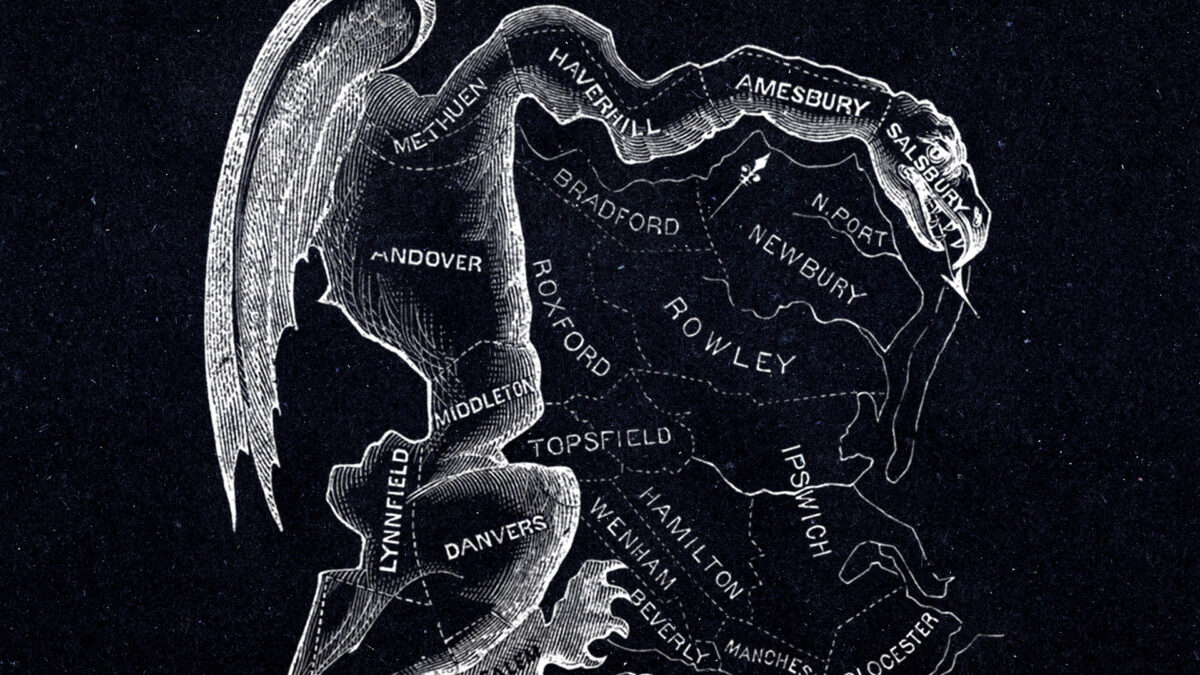
History of Gerrymandering
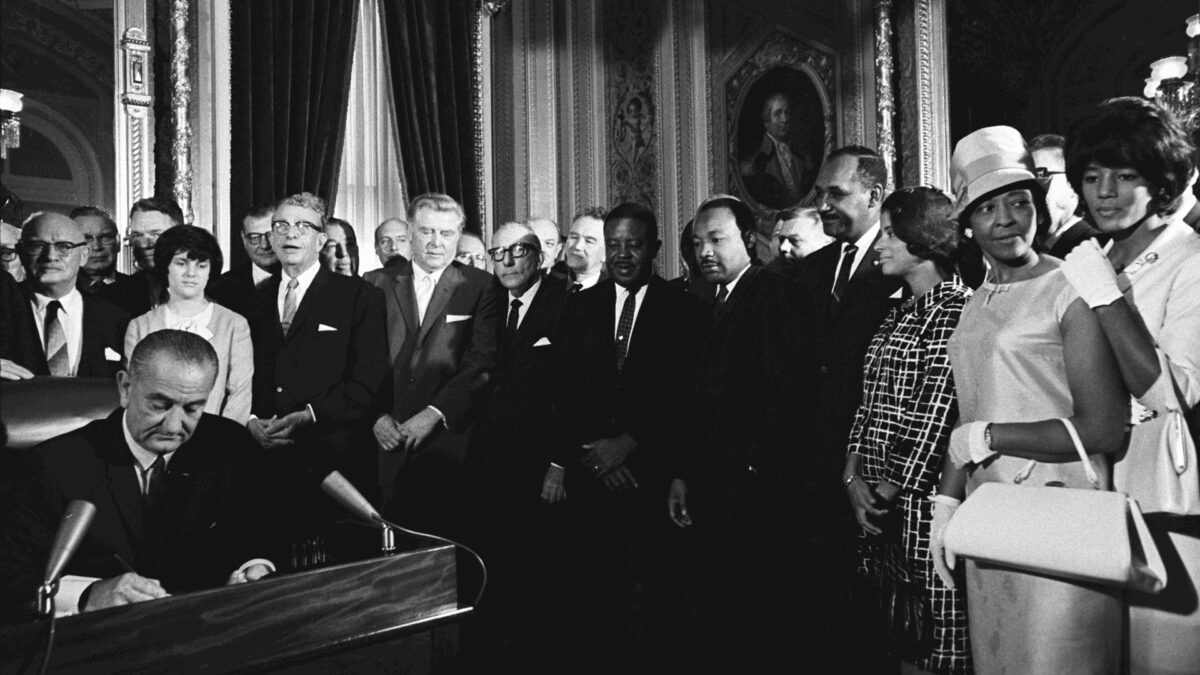
The Voting Rights Act

The U.S. Census
Our fight is now. Are you in?
Every generation of Americans is called upon to defend democracy and to bring our nation closer to its founding ideals. It's now our time to act.